
You were told your scans look normal.
You still don't feel normal.
Brain Health and Chiropractic is a functional neurology clinic in Sioux Falls for people living with POTS and dysautonomia — especially the ones who've been passed between specialists without a clear answer.
Book a Free 15-Minute Discovery Call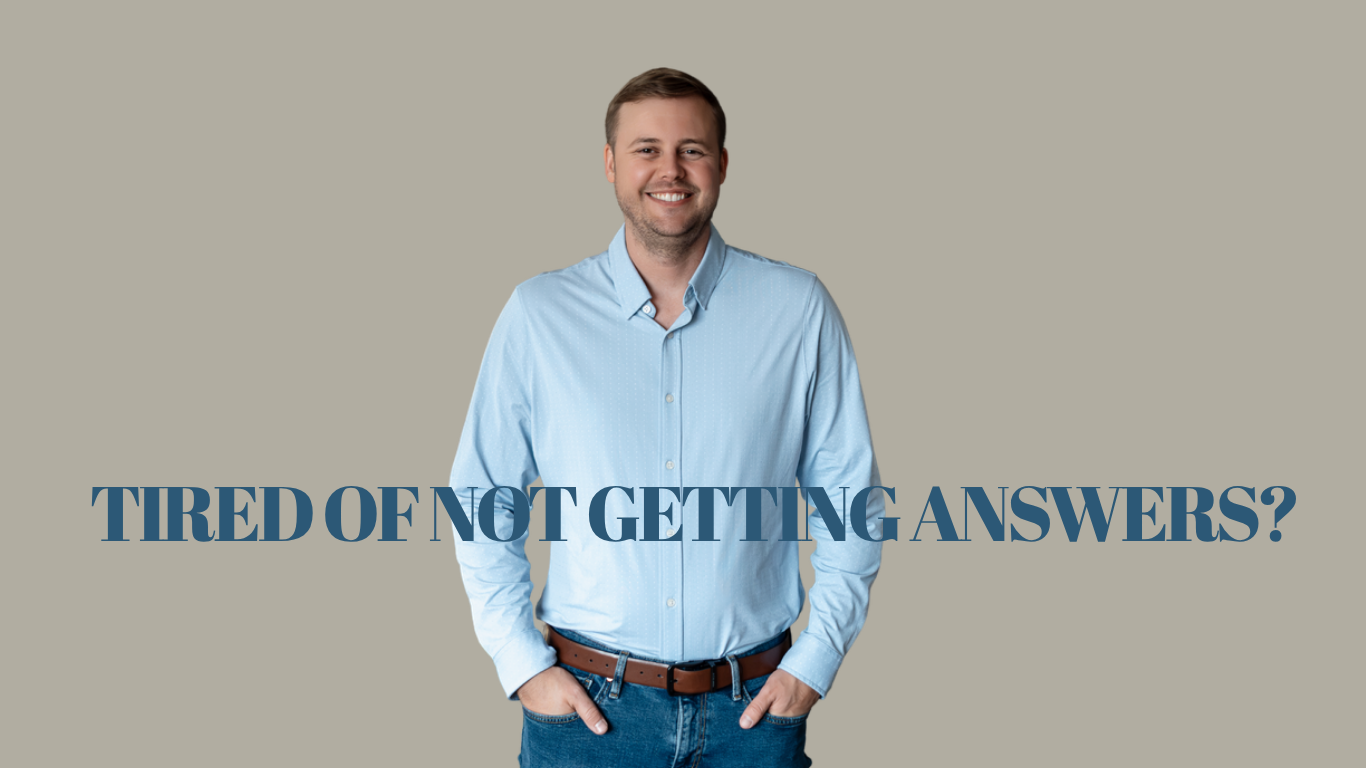
POTS isn't a fluid problem. It's a brain interpretation problem.
You've been on salt, compression, and beta-blockers for over a year — and your standing heart rate is still 130+. That's not a compliance failure. Those protocols are built to manage the response, not the misinterpretation driving it.
Cardiology checks the heart. Neurology checks the imaging. Endocrinology checks the labs. The brain interpreting all three is the part that rarely gets looked at. We start there — because that's the part deciding how, and how hard, to make your body react when you stand up.
Your brain has to know when gravity is pulling you upright so it can quickly adjust your blood pressure and circulation. A part of your inner ear called the otolithic system helps detect gravity and tells your brain, “We’re standing up now.” If your brain isn’t processing that signal well, it may not coordinate the right response to being upright — and your heart rate can increase as your body tries to compensate.
That’s why I look beyond the heart rate and ask how well the brain is actually detecting and responding to gravity.
Dr. Cooper DykstraPOTS, explained by the doctor you'd see
A short look at how we think about POTS and dysautonomia — the difference between managing a heart-rate response and finding what's actually driving it.
Three input streams decide how you stand up
Your brain uses three streams of information to hold you upright without a second thought. It compares all three continuously and adjusts muscle activity to keep you balanced. When one sends the wrong signal — or the brain reads a correct signal wrong — the standing response goes haywire. The racing heart rate is the visible symptom. It usually isn't the cause.
Vestibular
Sensors in the inner ear that detect head position, acceleration, and gravity.
Vision
Your eyes provide the reference for whether you — or the environment around you — are moving or upright.
Proprioceptive
Receptors in the feet, joints, muscles, and neck reporting body position, pressure, and movement.
Separately, autonomic input helps hold blood pressure and blood flow to the brain steady when you rise. If vestibular processing, visual motion tolerance, proprioception, or autonomic regulation is disrupted, standing can provoke dizziness, nausea, imbalance, or headache.
The whole point of what we do is diagnostic depth: figuring out which stream is sending the wrong information, instead of managing the downstream symptom. The diagnostic depth is the whole point.
We measure function — not just structure
A clean MRI is a starting point, not an ending one. Normal imaging can still sit on top of a brain that isn't functioning the way it should. Functional neurology looks at how the system is working in real time — the assessments a standard work-up doesn't include.
What we run for a POTS or dysautonomia work-up
VNG
Videonystagmography — eye-movement recording that shows how the vestibular system and its brain pathways are actually performing.
Modified CTSIB
A balance test that isolates which input stream you're relying on — and which one is letting you down.
Eye-Hand Reaction Time
A timed measure of how quickly the brain turns what it sees into a motor response.
Tilt Table Test
Measures what actually happens to heart rate and blood pressure as your position changes.
Comprehensive Neurological Exam
A full functional-neurology exam that ties the individual findings into one picture.
These are the same measures behind your Brain Reset Score — so the work-up that finds the problem is the work-up we re-run to show whether it's moving.
How we work: Review · Reset · Restore
Our flagship is the Brain Reset — a 4-day intensive built around a simple idea: the brain can change, and it can be retrained. We start by measuring, build a picture of how your system is functioning, and work from the root rather than chasing symptoms.
Measure first
A functional-neurology work-up to find where the system is misreading — not just where it hurts.
The 4-day intensive
Targeted, in-clinic work to retrain the systems the review identifies.
Build it back
Longer-term support so the gains hold in daily life.
Some patients need a further look at adrenals, gut and hormones. When that’s the case, our Health Restore program is available as a separate path — it isn’t part of the Brain Reset itself.
Who we work with
Adults and kids with complex neurological symptoms who've often been told it's stress, or that everything looks fine. If you're managing POTS or dysautonomia and you've tried everything the standard playbook offers, you're exactly who this clinic was built for — and people travel in from across the Midwest to be seen here.

Who you'd be seeing
Dr. Cooper Dykstra
DC, FIBFN-FN, CFMP · FounderDoctor of Chiropractic and board-certified functional neurologist (FIBFN-FN). Dr. Cooper sees adults and kids, and leads the Pediatric Brain Reset for ages 4–12.
Dr. Cooper and staff
Your care teamDr. Cooper directs every plan of care. Day to day, you'll also work with our clinical staff — so there's always someone here who knows your case.
Questions people ask before they call
Is there a POTS specialist in Sioux Falls?
Brain Health and Chiropractic is a functional neurology clinic in Sioux Falls that works specifically with people who have POTS and dysautonomia. Rather than managing heart-rate response alone, we assess the brain and nervous-system function behind it. The best first step is a free 15-minute Discovery Call.
Do you work with dysautonomia and autonomic dysfunction?
Yes. Dysautonomia — including POTS — is one of the core reasons people come to us. Our focus is the autonomic nervous system and the brain that's interpreting its signals.
Can a chiropractor or functional neurologist help with POTS?
Functional neurology is a distinct field focused on how the nervous system is functioning, not just its structure. Dr. Cooper Dykstra is a board-certified functional neurologist (FIBFN-FN). The question he asks is how well the brain is detecting gravity and coordinating the response to standing — which is upstream of the heart rate everyone else is measuring.
Do you offer autonomic or diagnostic testing?
Yes. A POTS or dysautonomia work-up here includes VNG (videonystagmography), the Modified CTSIB balance test, an eye-hand reaction time test, a tilt table test, and a comprehensive neurological exam. Together they measure function that a standard cardiology or neurology work-up typically doesn't — and they're the same measures behind the Brain Reset Score.
Do you see children?
Yes. Dr. Cooper works with kids as well as adults, including the Pediatric Brain Reset for ages 4–12.
I've tried salt, compression, and beta-blockers. What's different here?
Those protocols are built to manage the standing response. We start one step upstream — with how the brain is interpreting position and pressure signals in the first place — and build a plan from what the assessment shows.
Where are you located and how do I get started?
We're at 6810 S Lyncrest Ave, STE 201, Sioux Falls, SD 57108. Call (605) 799-7579 or book a free, no-obligation 15-minute Discovery Call online. Patients travel in from across the Midwest.