
Inflammation and Brain Health: Understanding Neuroinflammation Beyond Cardiology
C-reactive protein gets a lot of attention in cardiology. Elevated CRP means higher heart disease risk, so the thinking goes. But in my neurological practice, I'm interested in CRP for a different reason: it tells me how much systemic inflammation is affecting my patient's brain.
Because here's what most people don't realize: chronic inflammation in your body doesn't stay confined to your arteries. It crosses the blood-brain barrier. It activates microglia—the immune cells of the brain. It triggers neuroinflammation. And neuroinflammation is the driver behind brain fog, cognitive decline, mood disorders, post-concussion syndrome, and neurodegenerative disease.
This is why inflammatory markers matter in neurological evaluation. They tell us about the inflammatory burden affecting the brain.

This one exercise can lower blood pressure significantly
Want to know about an exercise that can lower blood pressure significantly? We're talking about 10-20 mmHg. No, it's not an endurance exercise. No, it's not a strength exercise. It's actually an exercise you can do anytime and anywhere. Dig in, and you will find out exactly what this game-changing routine is.
Post-Concussion Syndrome
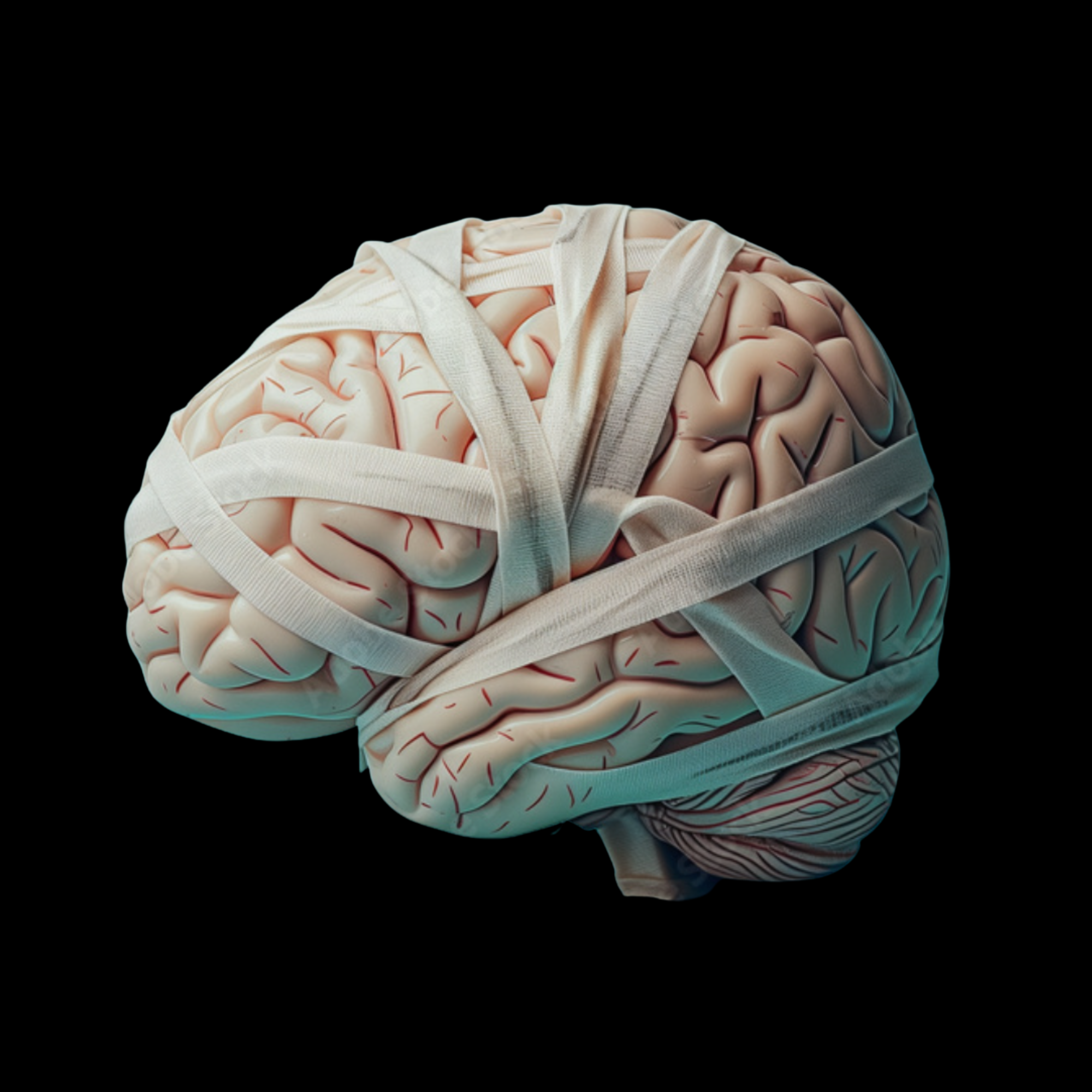
A patient walks into my office complaining of persistent headaches, brain fog, and fatigue that started after a motor vehicle accident six months ago. Standard CT and MRI imaging came back normal. Her primary care physician told her everything was fine and that symptoms should have resolved by now. Yet here she sits, struggling to focus at work, sleeping poorly, and feeling increasingly frustrated.
This is post-concussion syndrome, and it's far more common—and more treatable—than most patients realize.
The Gut-Brain Connection
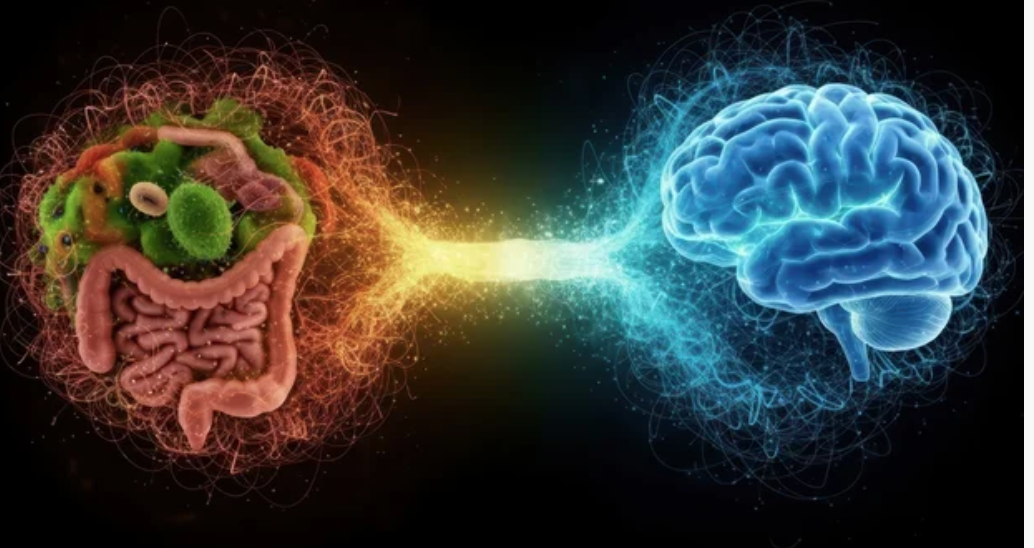
When patients come to my office with post-concussion syndrome, they often focus on their brain symptoms—the brain fog, the headaches, the dizziness. What they rarely mention, unless I ask, is that their digestion has gone haywire. Bloating, constipation, food sensitivities, or loose stools. And when I bring it up, they're usually surprised that it's related to their concussion at all.
But it is. A concussion doesn't just affect your brain. It initiates a cascade of metabolic and neurological changes that ripple through your entire body, including your gut. And here's the critical part: your gut health determines how well your brain recovers.

The Vitamin D and Brain Health Connection
When I run comprehensive labs on patients with post-concussion syndrome, persistent brain fog, or neurological symptoms, I find the same pattern over and over: low vitamin D. Not just a little low. Significantly deficient.
Most of my patients have never had their vitamin D levels checked. And if they have, they were told it was "fine" based on the outdated reference range. But optimal brain function requires vitamin D levels that most conventional medicine considers normal.
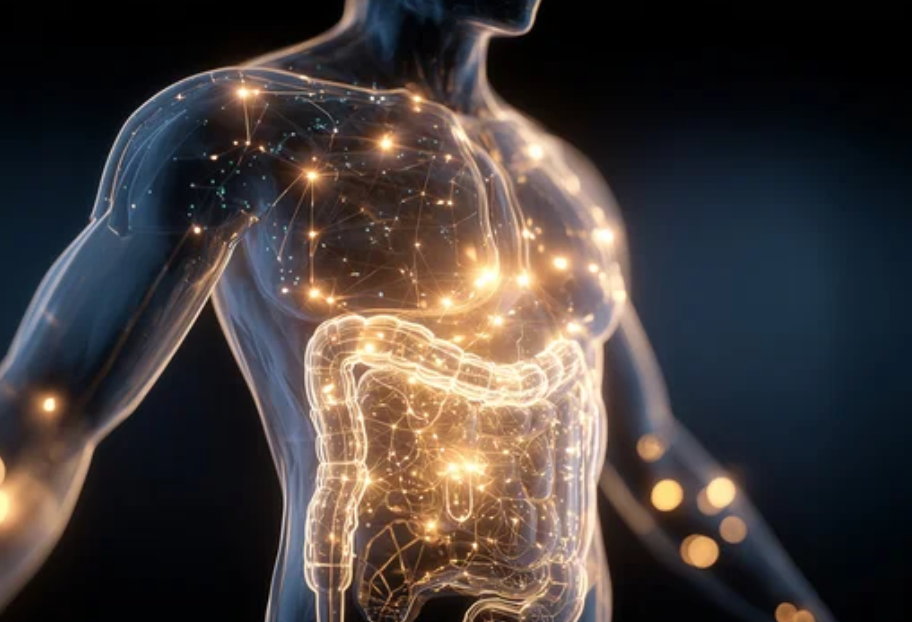
Inflammation Nation
C-reactive protein gets a lot of attention in cardiology. Elevated CRP means higher heart disease risk, so the thinking goes. But in my neurological practice, I'm interested in CRP for a different reason: it tells me how much systemic inflammation is affecting my patient's brain.
Because here's what most people don't realize: chronic inflammation in your body doesn't stay confined to your arteries. It crosses the blood-brain barrier. It activates microglia—the immune cells of the brain. It triggers neuroinflammation. And neuroinflammation is the driver behind brain fog, cognitive decline, mood disorders, post-concussion syndrome, and neurodegenerative disease.
This is why inflammatory markers matter in neurological evaluation. They tell us about the inflammatory burden affecting the brain.